
Home Inspection Checklist: What to Look At and Ask
On this page
Home inspection checklist: what to look at and ask
Use this to prepare questions and to notice things alongside your inspector, not to replace one. The inspector's written report governs. General information, not legal advice. Ticks are saved in this browser only.
0 of 44 done
Before inspection day
Roof and exterior
Structure and foundation
A general inspection may recommend a specialist. The report should say so.
Plumbing
Electrical
Heating and cooling
Interior
Attic, basement and crawlspace
After the report
The report, not your memory of the day or this checklist, is what governs.
CFPB says the lender uses an appraisal to decide how much the home is worth and that an independent appraiser conducts it.
Source: CFPB, Loan Estimate explainer
Sources (1)
- CFPB, Loan Estimate explainer consumerfinance.gov
In short: Go to the inspection, bring a light and a notepad, and ask the inspector about each area of the house. The written report governs, and some findings will call for a specialist's separate inspection.
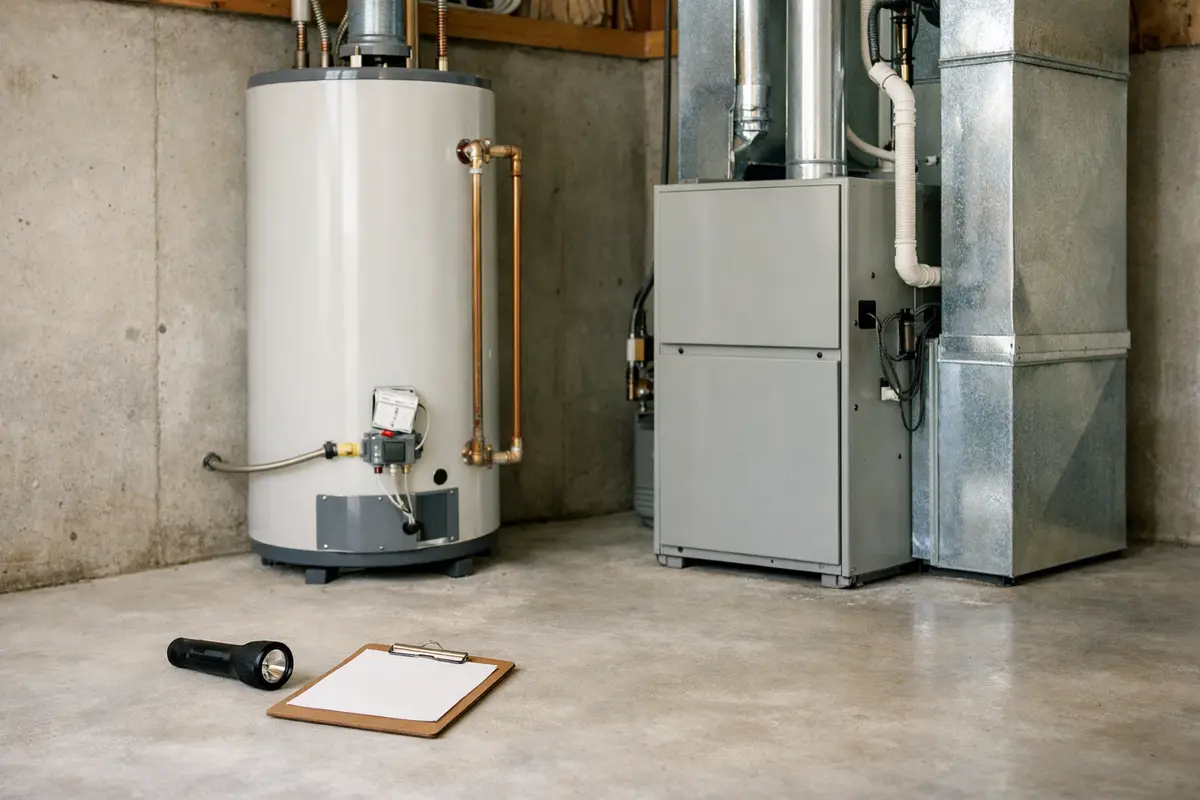
A home inspection is the one chance to have a trained person look closely at a house before you own it. This checklist is for buyers who plan to be there. It will not make you an inspector, and it is not meant to. It gives you things to look at, and questions to put to the person who is, so that you leave the day understanding the house rather than only holding a report.
What this list can and cannot do
The inspector's written report governs. If this list and the report disagree, believe the report, and ask the inspector to explain the difference. This page is general information and does not offer legal advice or an opinion on any particular property. Ask a licensed inspector what is wrong with a house, and ask a real estate attorney what to do when a finding touches your contract.
It also does not set prices. What a repair costs depends on the house, the region and the contractor, and none of those are known here. Get quotes from qualified people, in writing, before you decide what to ask the seller for.
Specialized inspections
A general inspection looks broadly. Some things need a closer look from a specialist, and a good inspector will say so in the report: a roof, a chimney, the foundation, the electrical system, pests, or testing for mold or radon. The list has an item in nearly every section that reminds you to ask. If the inspector recommends a specialist, find out whether your contract gives you enough time to hire one, and ask your agent or attorney before the deadline passes.
Worked example: standing at the water heater
Say you reach the utility closet during the inspection. Rather than just glancing in, you can ask three things. What can you tell about this unit's age and condition? Where is the shut-off for the water, and can you show me? Is there anything here that deserves a plumber's opinion? Write the answers in your notes beside a photo. Later, when the report arrives, find the same item and see whether it says what you were told on site. If the written version is less specific, or says something different, ask the inspector for a clarification before your deadline.
The same pattern works everywhere on the list: look, ask, photograph, then check the report.
Inspection is not appraisal
People mix these up. CFPB describes an appraisal as how the lender decides how much the home is worth, conducted by an independent, professional appraiser, and says you have a right to receive a copy. An inspection checks the condition of the house, and you hire the inspector for your own sake. A clean inspection does not guarantee the appraisal, and an appraisal does not tell you whether the roof is sound.
After the day
Read the full report, photos included. Sort findings by how much they matter to your safety, your budget and your plans. Decide what to request, and put the request in writing before the deadline in your contract. The repair request letter can help with the wording, and the final walk-through is where you confirm the fixes were made.
Questions people ask
Should I go to the inspection?
It is a good habit. You hear the inspector's explanations in context and can see problems with your own eyes, which a report with photos cannot fully replace.
What if the inspector finds a lot?
Do not decide on the spot. Ask which items are safety concerns, which need a specialist, and which are ordinary wear. Then talk to your agent or a real estate attorney about your options under the contract.
Can I skip the inspection?
That is a decision about risk and your contract, so talk it over with an attorney first. This page cannot make it for you.
For the full path around the inspection, see the home buying timeline.
Sources
- CFPB, Loan Estimate explainer consumerfinance.gov